
How Smart Prosthetics Are Changing Everyday Life
A New Normal
The first thing Alex noticed wasn’t the movement. It was the quiet - no clicking. No stiffness. No awkward pause before trying to pick something up.
But the movement.
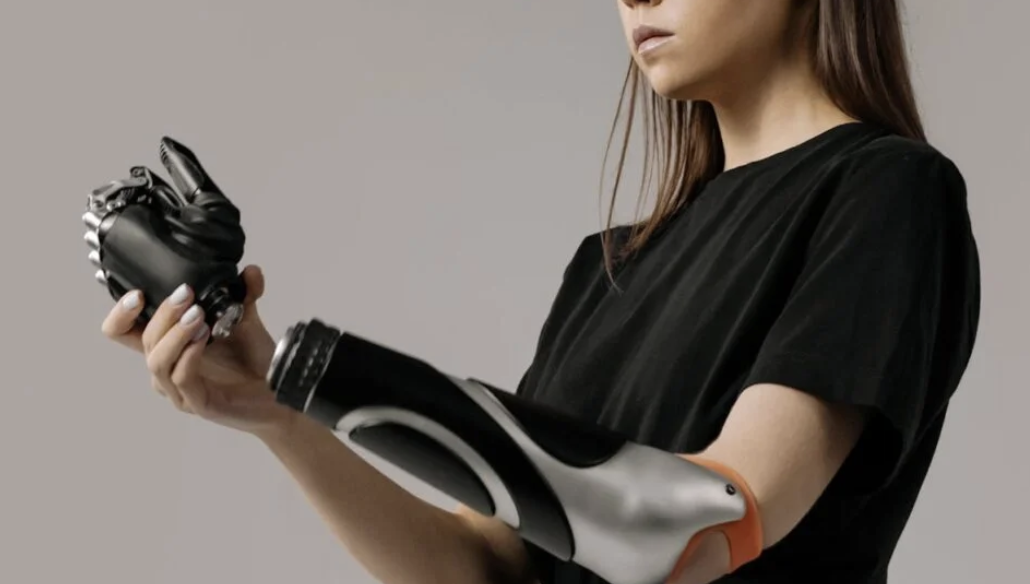
It had been almost a year since Alex lost her hand, and in that time, even the smallest things started to feel frustrating. Holding a coffee cup meant focusing way too hard. Opening a door felt like a challenge every time. It wasn’t impossible but it wasn’t easy anymore.
But this morning was different. Alex reached for her mug, half expecting the usual hesitation.
Instead, her prosthetic hand adjusted automatically. Using enough pressure to grip it perfectly. No second thought, no hesitation, no feeling behind.
What Makes It “Smart”
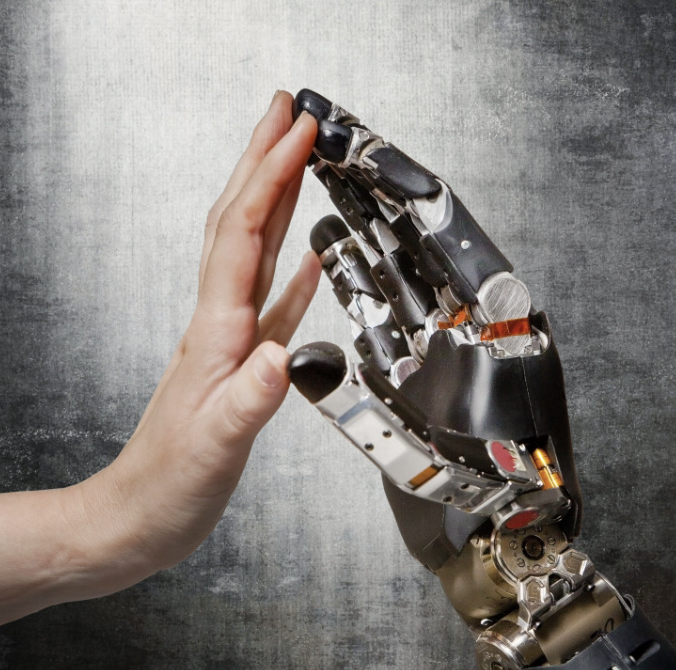
A smart prosthetic doesn’t move, but it responds. For Alex, this meant the device could pick up signals from her muscles and translate them into movement with its own language. Over time, it will start to feel more natural. Time will lead to experience and experience feels natural.
Instead of thinking, “Ok, now lets try to grab this,” it became more like any thought, “grab it.”
Some of the features that can make the biggest difference:
Sensors that react to muscle movement
Grip that adjusts depending on what you're holding
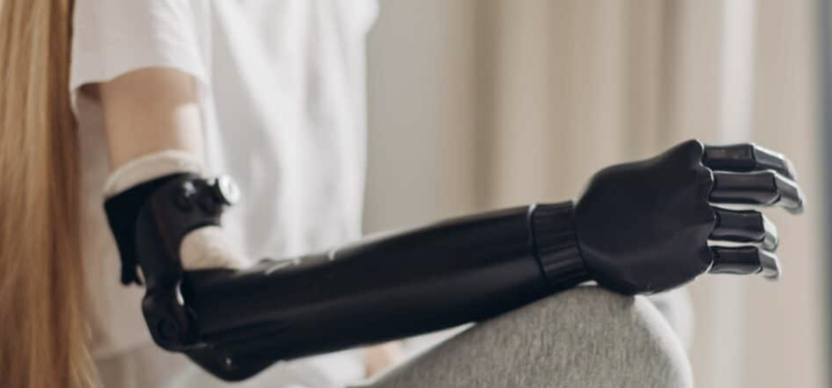
Lightweight design that doesn’t feel bulky
A fit that actually feels personal
The Moments That Matter
No one really talks about the small wins. No big, dramatic obstacles, but the quiet ones.
Like the first time Alex tied her shoes again without stopping halfway through.
Or when she grabbed her phone without dropping it.
Or even something as simple as holding someone’s hand and not thinking about it.
These moments stick - Its never been about the movement. It’s about feeling normal again.
Designed Around Real People
One thing Alex didn’t expect was how much input they had in the process.
This wasn’t something handed to her and said, “Good luck.” Designers actually asked questions:
“Does this feel right?”
“What’s uncomfortable?”
“What do you wish it could do better?”
And this showed that they cared, because the difference between something that works and something that fits your life is huge.
Looking Forward
Alex still has her moments where things aren’t perfect. That hasn’t magically disappeared. But now, those moments don’t define the whole day.
And that’s the best change. Technology will keep improving: better sensors, more control, maybe even the ability to feel touch again someday.
But for now, being able to go through a morning routine without thinking twice is already a huge step forward.
What’s Next?
Technology is only getting better. In the future, prosthetics might:
Be controlled by your brain
Let users actually feel touch
Learn your habits over time
Smart prosthetics aren’t just about tech, but helping people live more normal, independent lives.
“No one gets turned away from getting help. Everyone who registers and turns up [to a fitting] will go away with a hand or an arm.”